Plastic Fabricators Ltd Cannock plastic fabrication 01543 577888

FAQ

Practical material advice before customers get in touch.

Helpful acrylic and material advice for cleaning, polishing, splashbacks, greenhouse panels and secondary glazing.

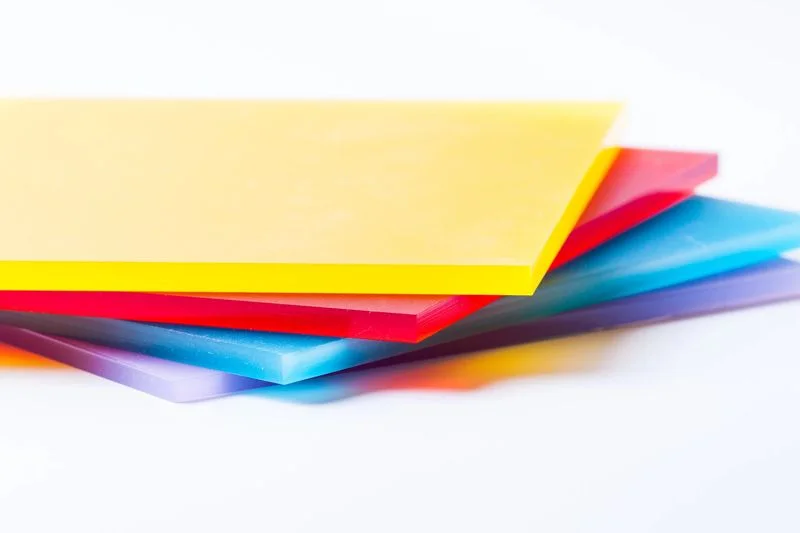
Rigid coloured plastic sheet materials

What is the softening temperature of acrylic?

Acrylic sheet will soften above 80°C. When machining or manipulating acrylic, temperature should be kept down using suitable cooling such as water, water/air mist, compressed air or soluble oils, avoiding solvent-containing oils.

Can scratched acrylic be polished?

Light scratches can often be improved with acrylic scratch remover polish. Larger or deeper scratches may need careful fine sanding and polishing, but customers are advised to ask for guidance first.

How should acrylic be cleaned?

Use a soft cloth, warm water and a small amount of washing-up liquid. Avoid window cleaners, methylated spirits, scouring compounds, ammonia, solvents, thinners, acetone and abrasive pads.

Can acrylic be used as bathroom panels or splashbacks?

Acrylic can be used, but it must be very well sealed and cared for properly. A 3mm sheet can suit smaller splashback panels, while larger panels around 600mm+ should use 5mm.

What thickness is suitable for greenhouse panels?

A 2mm sheet is a common starting point, with larger panels moving up to 3mm depending on support in the frame.

Is acrylic suitable for secondary glazing?

Yes. Acrylic is strong and lightweight, with 3mm+ acrylic suitable for secondary glazing and thicker sheet recommended for larger panels.

Request a quote

Still unsure which plastic or thickness you need?

For fabrication, CNC routing, sheet material supply or plastic repair enquiries, contact Plastic Fabricators Ltd directly.

Call Plastic Fabricators